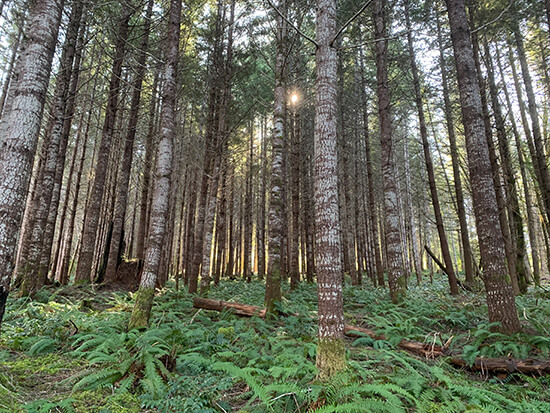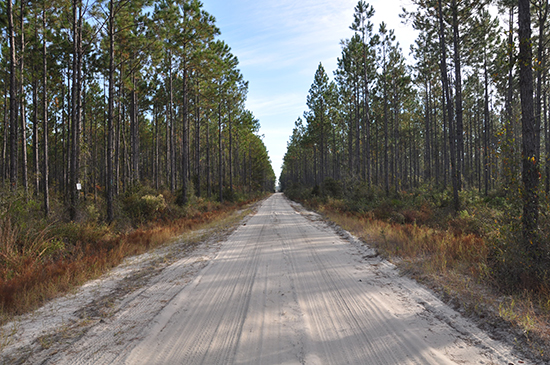
Forestry has historically been a male-dominated profession, but women have played important roles in forest conservation, science, and land stewardship for more than a century. Today, women remain underrepresented in the sector, accounting for roughly 18% of forestry professionals in the United States. Despite this, women continue to shape the future of forestry through leadership in forest management, sustainability, research, investment, and conservation.
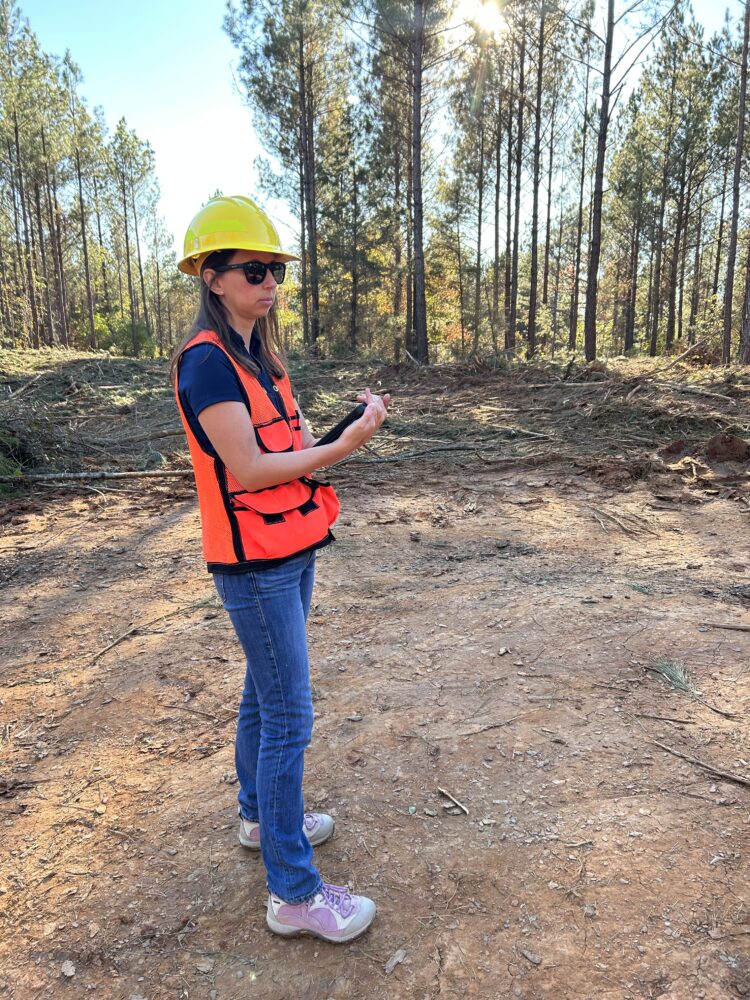
Professionals across the industry are helping demonstrate how diverse perspectives strengthen forest stewardship and long-term land management. As Madison Akers, Regional Investment Forester at FIA, explains: “I joined forestry because I wanted a career that combines science, stewardship, and working outdoors. Managing forests requires long-term thinking, collaboration, and adaptability—and that’s what makes the profession so rewarding.”
EARLY PIONEERS IN FORESTRY
The path for women in forestry began with early pioneers who challenged barriers in science and natural resource management. One notable example is Eloise Gerry, one of the first women scientists employed by the U.S. Forest Service. Her research on southern pine trees and turpentine production in the early 20th century helped improve forest product efficiency and tree health.
Other early milestones included women serving as fire lookouts, research assistants, and conservation advocates before being allowed to hold professional forestry field positions later in the twentieth century. Their contributions helped open doors for future generations of forestry professionals.
THE VALUE OF DIVERSE PERSPECTIVES
Forestry requires balancing ecological health, economic performance, and long-term stewardship. Greater diversity in the profession strengthens decision-making and innovation across forest management and conservation efforts. Women across the industry are helping advance solutions that protect biodiversity, strengthen forest resilience, and support rural communities while maintaining productive working forests.
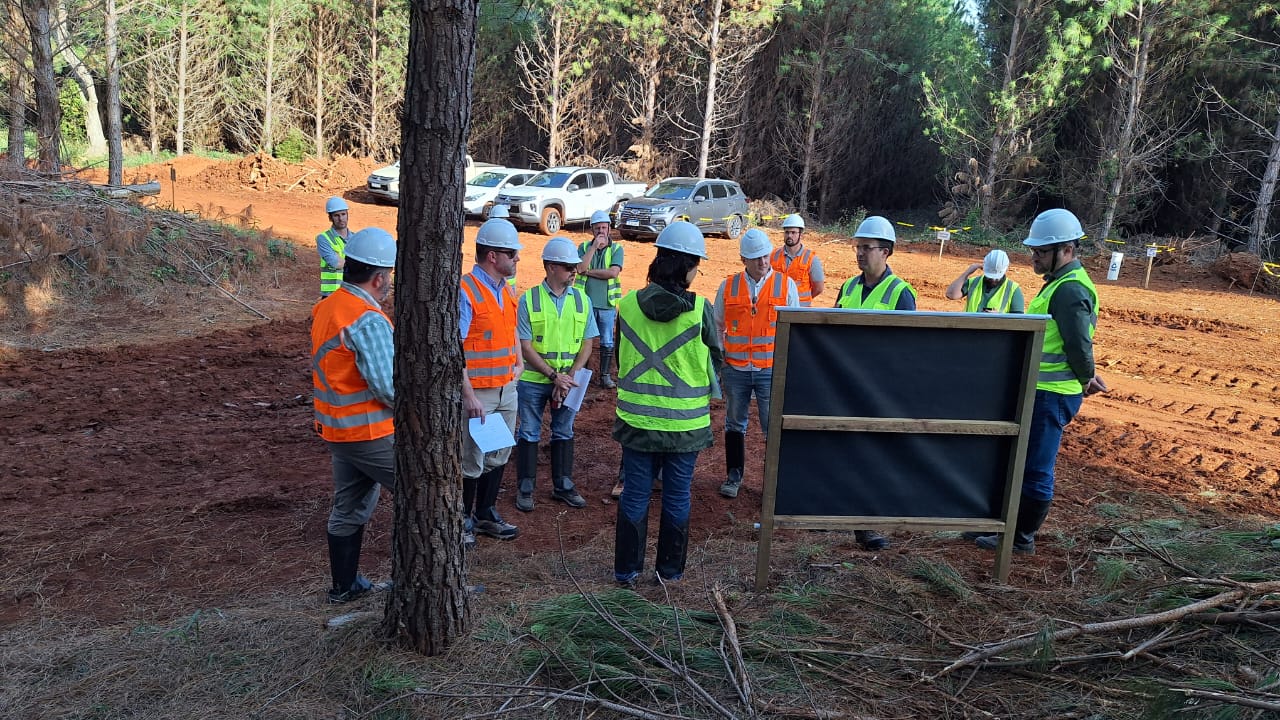
At FIA, women across the organization support forest stewardship and investment strategies across the United States and internationally.
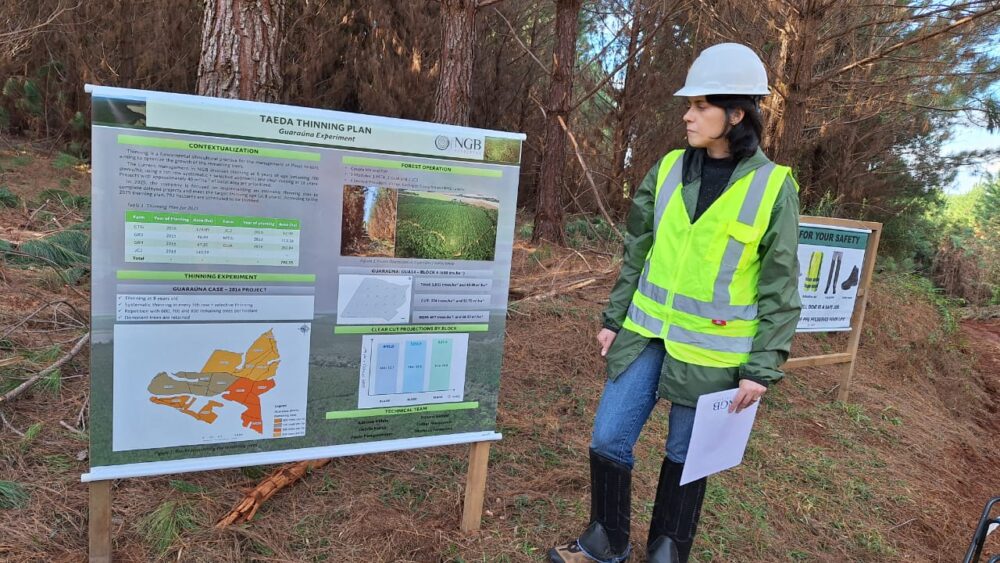
Adriane Villela, Director of Brazil Investments at FIA, oversees forestry investments across FIA’s Brazil platform and works closely with local operational teams to implement silviculture and harvesting strategies aligned with client objectives. Reflecting on the profession, Adriane notes: “Forestry is a field where science, economics, and stewardship intersect. The opportunity to manage forests responsibly while delivering long-term value makes this work both meaningful and impactful.”
LOOKING AHEAD
The next generation of forestry professionals will play a critical role in addressing global challenges such as forest resilience, transitioning forest product markets, biodiversity loss, and sustainable resource management. Encouraging more women to pursue careers in forestry and natural capital will help ensure that the sector continues to benefit from a wide range of expertise, leadership styles, and perspectives.
For firms like FIA, investing in people, – alongside the forest, remains essential to delivering long-term value and responsible stewardship across the landscapes we manage.
Sources:
United States Department of Agriculture; Forest History Society; National Association of State Foresters.